
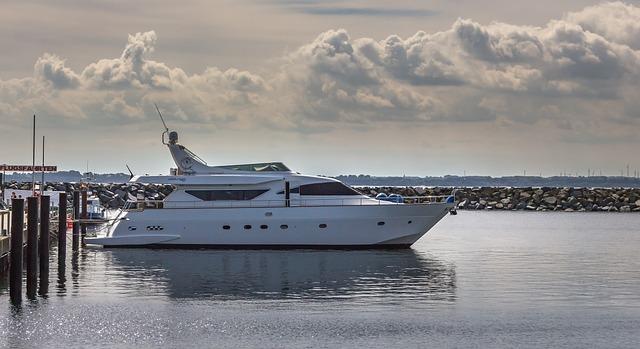
Capri is one of the most visited places in the entire Mediterranean, and in summer it can feel like it. The ferries and hydrofoils from Naples, Sorrento, and Positano deliver thousands of visitors every morning, and by mid-morning the island’s narrow lanes and famous sites are dense with people. Taking a private boat from Naples to Capri does not change the island, but it changes everything about when you arrive, how you approach it, and what you have access to that the standard visitor does not.
The Problem With the Ferry and What It Cannot Offer
The ferry services connecting Naples to Capri are efficient, reasonably priced, and widely available. They are also scheduled, fixed-route, and shared with several hundred other passengers arriving at the same dock within the same narrow window of time. If you take the morning ferry that most tourists take, you arrive at Marina Grande alongside everyone who took the same ferry. The crowds at the funicular, on the roads to Anacapri, around the Piazzetta: they are a direct consequence of this concentrated arrival pattern.
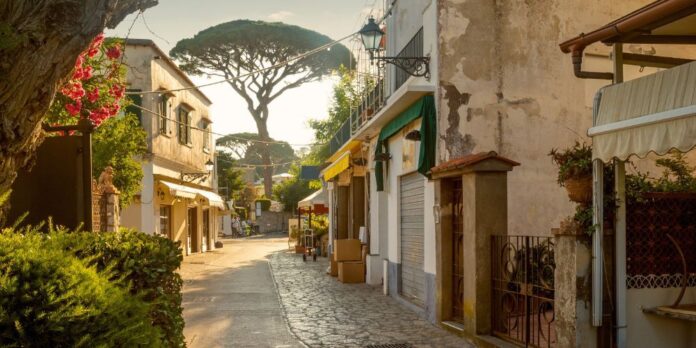
A private boat departs when you choose, follows the route you choose, and arrives at the destination that makes most sense for your plans whether that is Marina Grande, Marina Piccola, or one of the smaller anchorages accessible only to boats and invisible from the land. The timing flexibility alone transforms the experience: an early departure reaches the island before the crowds form; a later arrival finds the afternoon light on the cliffs and a Capri that is gradually returning to its quieter self.
The Crossing – Forty Minutes of Extraordinary Scenery
The Gulf of Naples is one of the most scenographically rich stretches of Italian coastline, and the crossing from Naples to Capri presents it from the one perspective that land-based travel cannot provide. The Vesuvius profile from the water is different from any view available from the shore the full volcanic silhouette visible without obstruction, the relationship between the mountain and the bay made legible in a way that maps and photographs do not convey.
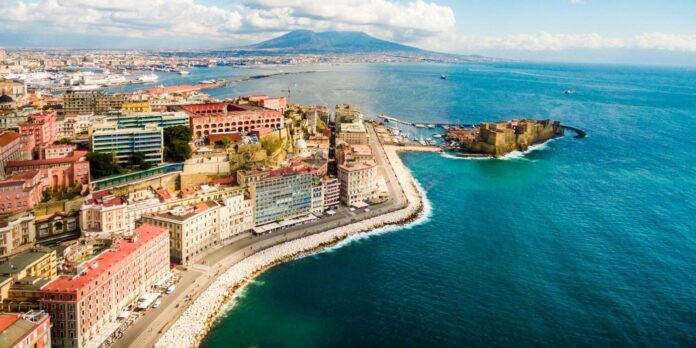
The Sorrentine peninsula unfolds along the southern shore of the gulf as the crossing progresses, the limestone cliffs rising directly from the water in the places where the coast offers no beach or road between rock and sea.
As Capri becomes visible ahead, the island resolves from a silhouette into a detailed landscape with the characteristic profile of Monte Solaro on the left and the layered cliffs of the eastern coast on the right. This approach gradual, unmediated, from the sea is qualitatively different from arriving by any other means.
The Parts of Capri That Require a Boat
Marina Grande, the main harbour, is accessible to everyone who visits Capri. But the island’s coastline extends far beyond the harbour, and most of it is accessible only from the water.
The Blue Grotto is the most famous of Capri’s sea caves a tidal cave where the light enters through an underwater opening and refracts to create the luminescent effect that has made it world-famous since the nineteenth century.
The approach is by small rowing boat, accessible only from the sea, and the experience inside is brief and memorable.
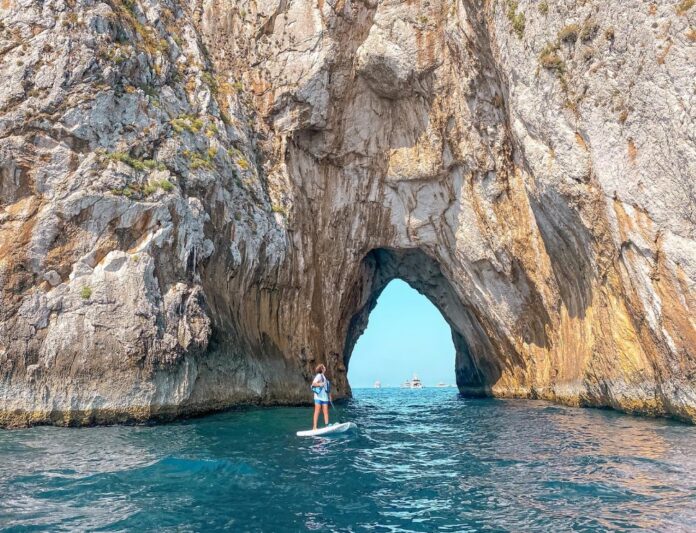
The Green Grotto, the White Grotto, the Natural Arch seen from below, the small beaches at the base of the cliffs that receive no road or path and no ferry service: these are the places that a private boat makes accessible. Spending time anchored below the Faraglioni rocks the three limestone sea stacks that define Capri’s eastern coast from the water level rather than from the belvedere above is a completely different experience of the same landmark. It is the version of Capri that the majority of its visitors never see.
Capri as Part of a Broader Itinerary
A private boat from Naples to Capri need not be a return trip to a single destination. The same vessel and the same day can combine Capri with a stop along the Amalfi Coast, a visit to the smaller and quieter island of Procida, or time anchored in one of the coves along the Sorrentine Peninsula. The geographic proximity of these destinations means that a well-planned day on the water can cover a range that would require multiple separate days of land-based travel.
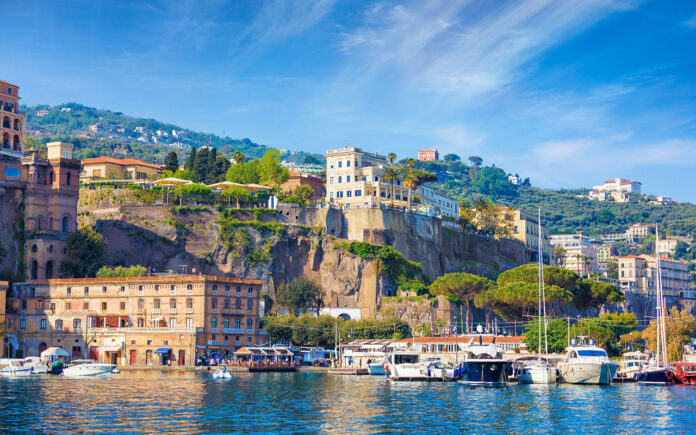
An itinerary that departs Naples early, reaches Capri by mid-morning for the sea caves and a swim before the peak crowds arrive, continues to a lunch stop in a small harbour on the Amalfi coast, and returns to Naples by evening covers four of the most celebrated stretches of coastline in Italy in a single day. The efficiency is remarkable, but the quality is what matters: each location is experienced at close range, from the water, with time allocated by choice rather than by tour schedule.
Practical Considerations for the Crossing
The Gulf of Naples is generally well-protected from swell, but afternoon winds, particularly from the southwest in summer, can make the return crossing uncomfortable on smaller vessels. Departing early and planning to return before the afternoon wind builds is the standard approach for day trips, and an experienced captain will time the passages to take advantage of the calmer morning conditions. Some form of motion protection is advisable for guests who are uncertain about their sea legs, even on a typically smooth crossing.
Entry to certain areas around Capri, including the sea caves and some protected anchorages, is regulated by the local marine authority and requires adherence to specific procedures. An operator who knows the local rules and the informal conventions of the area will navigate these requirements without difficulty and without disrupting the experience. This local knowledge is part of the value of booking with an established and reputable charter operator rather than arranging the crossing independently.